Maintaining clean air ducts in your home or business is often overlooked, but it plays a crucial role in energy efficiency. Air duct cleaning before and after provides clear evidence of the difference a professional duct cleaning can make. Over time, dust, debris, and allergens accumulate inside ductwork, reducing airflow and forcing heating and cooling systems to work harder. This increased strain not only drives up energy bills but also shortens the lifespan of HVAC systems. Understanding the impact of clean ducts can help homeowners and business owners improve indoor air quality while reducing energy consumption costs.
The Importance of Air Duct Cleaning
Air duct cleaning is essential for both residential and commercial properties. Contaminants such as dust, mold spores, and pet dander accumulate in duct systems, which can restrict airflow and reduce heating or cooling efficiency. When ducts are cleaned, the difference in airflow and air quality becomes immediately noticeable. Many homeowners underestimate the benefits, but air duct cleaning, both before and after, demonstrates a clear reduction in energy use. Proper cleaning ensures that HVAC systems operate efficiently, keeping indoor temperatures stable without overworking the equipment.
Benefits of Clean Air Ducts
Improved airflow throughout the home or office
Reduced energy consumption and lower utility bills
Enhanced HVAC system longevity
Decreased presence of allergens and dust
Better overall indoor air quality
These benefits make professional air duct cleaning an investment that pays for itself over time.
How Dirt and Debris Impact Energy Efficiency
Accumulated dirt and debris in ductwork directly affect your HVAC system’s performance. When ducts are clogged, air cannot flow freely, forcing your system to consume more energy to maintain desired temperatures. Studies show that even a small layer of dust can reduce efficiency by up to 20 percent. Air duct cleaning before and after clearly shows how removing these obstructions restores optimal airflow. Clean ducts allow air to circulate efficiently, reducing strain on fans and compressors and resulting in lower electricity bills.
Common Contaminants in Air Ducts
Dust and dirt
Pet hair and dander
Mold and mildew
Pollen and other allergens
Construction debris
Addressing these contaminants is crucial not only for energy savings but also for maintaining healthy indoor air.
The Process of Professional Air Duct Cleaning
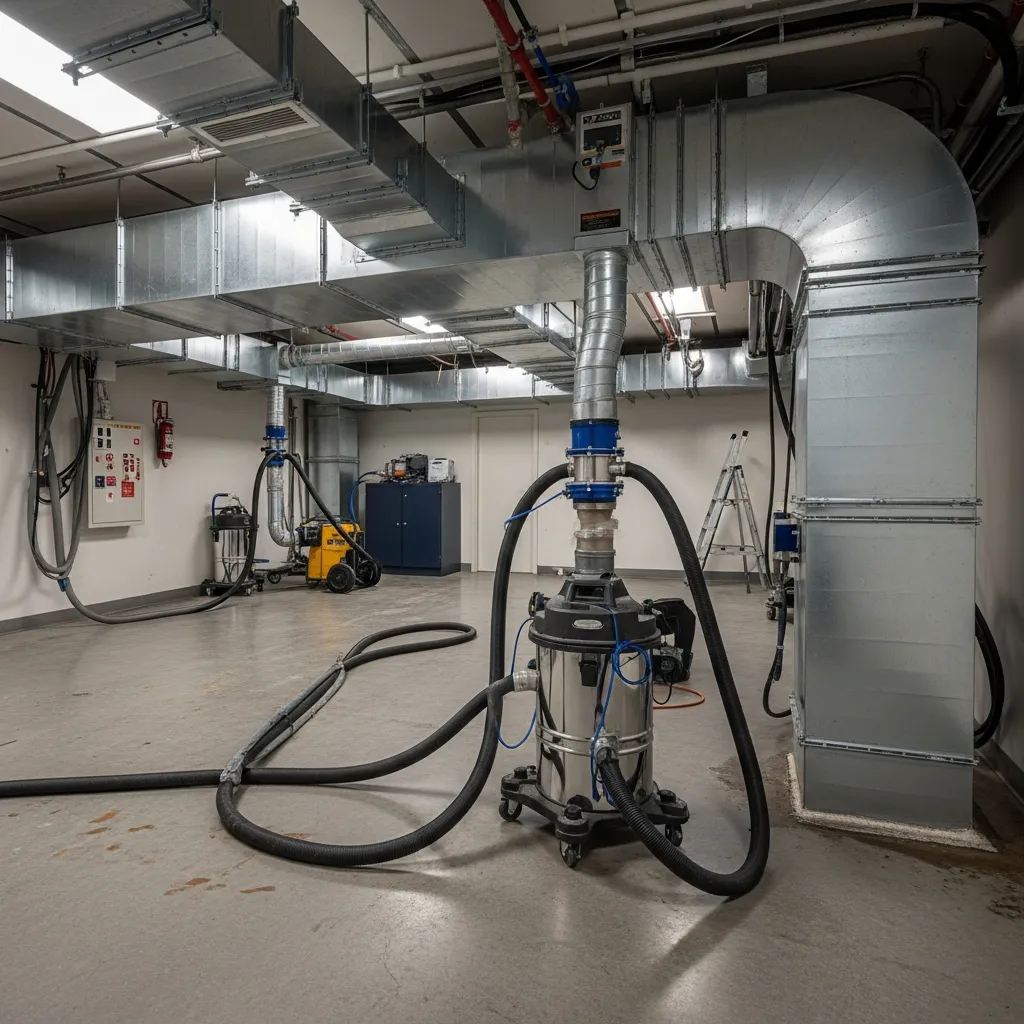
Professional air duct cleaning involves a systematic approach to remove contaminants safely and effectively. Technicians use high-powered vacuums, brushes, and specialized tools to dislodge debris from the ductwork. Air duct cleaning before and after photos often reveal surprising amounts of buildup that homeowners never see. During the process, the system is also inspected for leaks or damage, which can further improve efficiency.
Step-by-Step Cleaning Process
Inspection of the HVAC system and duct layout
Removal of vent covers and cleaning of registers
Use of brushes and vacuums to extract dirt and dust
Optional sanitization to reduce allergens and mold
Reassembly and final airflow check
Following this thorough process ensures that ducts are not only clean but also functioning optimally.
Energy Savings and Cost Benefits
Investing in air duct cleaning is not just about clean air; it has a tangible impact on energy costs. HVAC systems with unrestricted airflow consume less power to heat or cool a building. Homeowners who compare duct cleaning before and after notice reduced energy bills immediately. Additionally, reducing strain on HVAC systems prevents expensive repairs and prolongs equipment lifespan, creating long-term savings.
Tips for Maintaining Clean Ducts
Replace HVAC filters regularly
Schedule routine professional cleaning every 3 to 5 years
Seal duct leaks to prevent energy loss
Keep indoor spaces dust-free and well-ventilated
By following these tips, clean ducts remain effective for years, ensuring consistent energy efficiency and healthier air.
Common Misconceptions About Air Duct Cleaning
Many people believe that duct cleaning is unnecessary or does not impact energy efficiency. In reality, air duct cleaning before and after comparisons consistently prove the value of this service. Another misconception is that DIY cleaning is sufficient, but professional equipment and expertise are essential to remove deep-seated debris safely. Some homeowners worry about costs, but the long-term savings on energy bills and reduced system repairs far outweigh the expense.
Why Professional Cleaning is Worth It
Thorough removal of hidden contaminants
Accurate inspection for duct leaks or damage
Proper sanitization to prevent mold and bacteria
Measurable improvement in system efficiency
Hiring trained professionals ensures results that are both visible and measurable.
Frequently Asked Questions
How often should I have my air ducts cleaned?
It is recommended every 3 to 5 years, depending on usage and indoor air quality.
Does air duct cleaning really reduce energy bills?
Yes, clean ducts improve airflow, which allows HVAC systems to operate more efficiently.
Can I clean ducts myself?
DIY methods rarely remove all debris and may damage your system.
What signs indicate my ducts need cleaning?
Visible dust buildup, allergies, inconsistent airflow, and unusual odors are common indicators.
How long does professional air duct cleaning take?
Most residential systems are cleaned in 2 to 4 hours, depending on complexity.
Conclusion
Clean air ducts are critical for both energy efficiency and indoor air quality. Air duct cleaning before and after clearly demonstrates how removing dust, allergens, and debris can improve HVAC performance and reduce energy costs. By scheduling regular professional cleaning, you can protect your system, save money, and enjoy healthier indoor air. For homeowners and businesses looking to maximize efficiency, trust MDF Air Duct Cleaning to deliver thorough, reliable, and safe services that make a noticeable difference in comfort and energy savings.
Contact us today to schedule your air duct cleaning and improve energy efficiency!