Maintaining a clean and healthy work environment goes beyond surface cleaning. The quality of the air circulating within your workplace directly impacts the health, safety, and productivity of employees. One of the most effective yet often overlooked solutions is commercial air ventilation cleaning. By ensuring ventilation systems are free from dust, allergens, and contaminants, businesses can safeguard employee well-being and maintain compliance with workplace safety standards.
This article explores how commercial air ventilation cleaning plays a critical role in improving workplace health and safety, the benefits it offers, and why professional services like MDF Air Duct Cleaning are essential for optimal results.

The Link Between Air Quality and Workplace Health
Indoor air quality is a major determinant of employee wellness. Poor air quality can lead to a range of health problems, from mild allergies to chronic respiratory issues. In commercial buildings, air ventilation systems can accumulate dust, mold spores, pollen, and other airborne contaminants over time.
When these pollutants circulate, they can trigger asthma, allergic reactions, headaches, fatigue, and even long-term respiratory diseases. For businesses, this translates into increased sick leave, lower morale, and decreased productivity. Regular commercial air ventilation cleaning eliminates these risks by ensuring that the air employees breathe is fresh, clean, and safe.
The Role of Ventilation Systems in Safety Compliance
Workplace safety regulations emphasize the importance of maintaining healthy air quality. In industries such as healthcare, manufacturing, and food service, compliance with air quality standards is not optional; it’s a legal requirement. A poorly maintained ventilation system can lead to safety violations, potential fines, and reputational damage.
By scheduling routine maintenance and cleaning, companies can ensure their ventilation systems operate efficiently and remain compliant with local and federal safety regulations. Businesses that partner with specialists like MDF Air Duct Cleaning not only protect their workforce but also avoid costly non-compliance issues.
Key Benefits of Commercial Air Ventilation Cleaning
Improved Employee Health
Clean ventilation systems remove harmful particles from the air, significantly reducing the risk of respiratory illnesses and allergic reactions. Employees working in a healthy environment experience fewer sick days, higher energy levels, and improved focus.
Enhanced Airflow and Efficiency
Over time, dirt and debris can obstruct ventilation ducts, forcing the system to work harder. This increases energy consumption and operating costs. Cleaning the system restores optimal airflow, improves efficiency, and reduces energy bills.
Odor Elimination
Unpleasant odors caused by mold, bacteria, or accumulated dust can negatively affect workplace comfort. Professional cleaning removes these odor-causing contaminants, leaving the workspace smelling fresh.
Reduced Fire Hazards
In some environments, dust accumulation within ventilation systems can become a fire hazard. Removing flammable debris helps prevent potential safety risks.
How the Cleaning Process Works
Initial Inspection
Professional cleaners start by conducting a thorough inspection of the ventilation system. This step identifies dust buildup, mold growth, and other contaminants affecting air quality.
Deep Cleaning
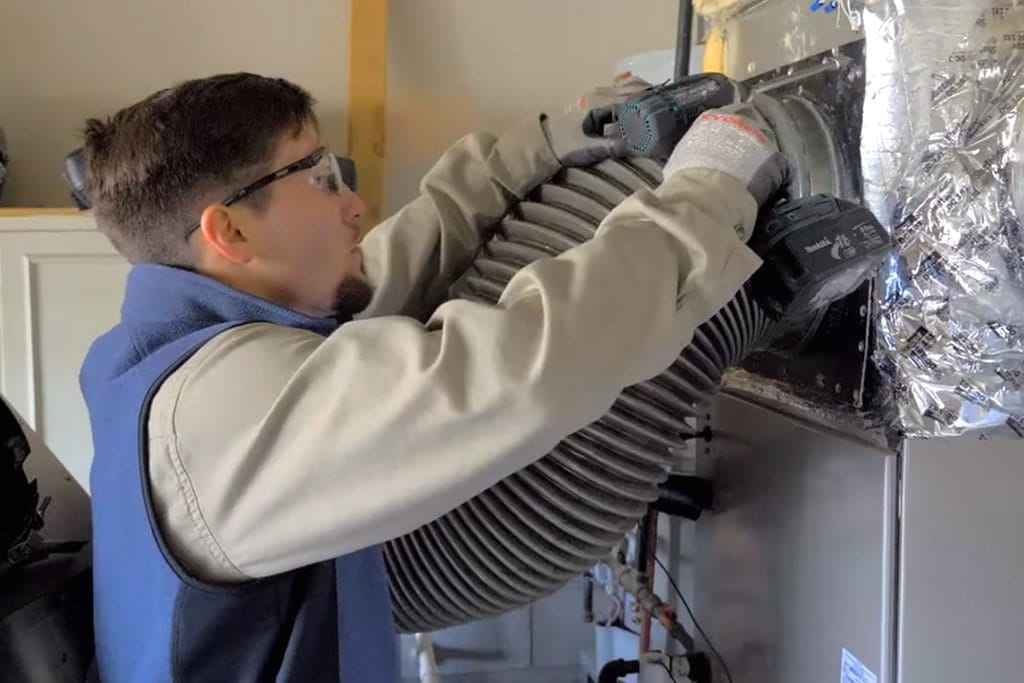
Using specialized equipment such as high-powered vacuums, rotary brushes, and sanitizing agents, experts clean ducts, vents, and filters. This ensures every part of the system is free from harmful debris.
System Testing
Once cleaning is complete, the system is tested for airflow efficiency and quality assurance. This step confirms the system is operating optimally and delivering safe, clean air throughout the workplace.
Why Professional Cleaning Is Essential
While some businesses attempt to handle duct cleaning in-house, professional services offer unmatched expertise, specialized tools, and safety measures. DIY cleaning often misses hidden contaminants deep within the ductwork, leading to recurring air quality issues.
Professional cleaners follow industry standards, ensuring a thorough and safe cleaning process. They also provide documentation for compliance purposes, which can be valuable during workplace inspections. Partnering with experienced providers like MDF Air Duct Cleaning guarantees both immediate and long-term benefits for your workplace.
How Often Should Commercial Ventilation Be Cleaned?
The frequency of commercial air ventilation cleaning depends on factors such as industry type, building size, and the number of occupants. For most offices, cleaning every 3–5 years is sufficient. However, industries with high dust or contaminant exposure, such as manufacturing, healthcare, or food service, may require annual or bi-annual cleaning.
Regular inspections can help determine the best cleaning schedule, ensuring your system remains in peak condition.
Cost vs. Value of Ventilation Cleaning
Some businesses hesitate to invest in professional cleaning due to cost concerns. However, the long-term value far outweighs the initial expense. Benefits such as reduced sick leave, lower energy bills, compliance with safety regulations, and extended equipment lifespan make it a worthwhile investment.
In many cases, the cost of one professional cleaning is less than the combined expenses of productivity loss, increased energy consumption, and potential safety fines.
Environmental Impact of Clean Air Systems
A clean ventilation system doesn’t just benefit employees; it’s also better for the planet. When air systems run efficiently, they consume less energy, reducing the building’s carbon footprint. Additionally, cleaner air helps protect sensitive equipment and reduces the need for chemical cleaning agents in other areas of the workplace.
Steps Businesses Can Take to Maintain Air Quality
While professional cleaning is essential, businesses can take proactive measures between services to maintain air quality:
Change air filters regularly to prevent dust accumulation.
Keep vents unobstructed to ensure proper airflow.
Monitor indoor humidity levels to prevent mold growth.
Schedule routine inspections to identify potential issues early.
Implementing these practices can extend the benefits of commercial air ventilation cleaning and maintain a healthier work environment year-round.
Conclusion
Workplace health and safety are directly tied to the quality of the air employees breathe. By investing in commercial air ventilation cleaning, businesses protect their workforce from harmful contaminants, comply with safety regulations, and improve overall productivity.
Partnering with experienced professionals like MDF Air Duct Cleaning ensures your ventilation systems remain clean, efficient, and compliant. The result is a healthier, safer, and more productive workplace benefiting both employees and the business as a whole.
Visit our Google My Business profile to explore services and reviews.