Proper airflow is essential for a healthy and energy-efficient indoor environment. One of the most overlooked but critical aspects of airflow is vent line cleaning. Whether you own a home or a commercial property, clean vent lines help your systems run smoothly and safely. In this guide, we’ll explain what vent cleaning is, why it matters, how often it should be done, and who should handle the job.
What Is Vent Line Cleaning?
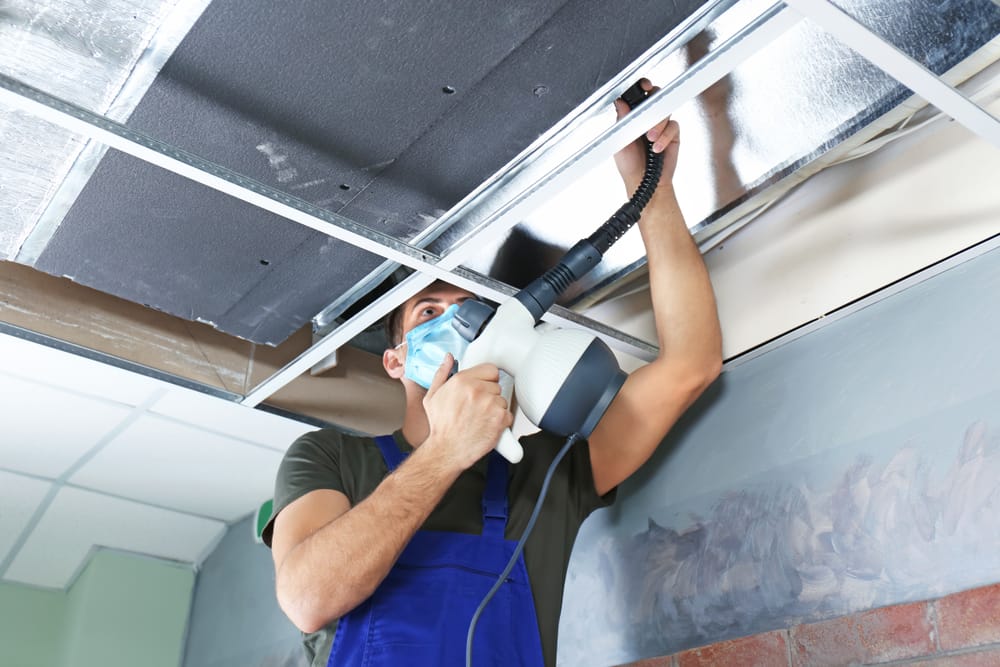
Vent line cleaning is the process of removing dust, lint, and debris from the ducts or vent systems that support HVAC units, dryers, kitchen hoods, and bathroom fans. Over time, these vents can accumulate buildup that restricts airflow and creates serious risks, including fire hazards and system breakdowns.
The cleaning process involves using specialized tools like vacuums, brushes, and compressed air to eliminate blockages and restore full function. It’s important to clean the entire system, not just the visible openings, to ensure proper airflow and safety.
Why Vent Line Cleaning Is Important
There are multiple benefits to having your vent lines cleaned regularly. First, it significantly improves indoor air quality by removing dust, allergens, and other pollutants that can circulate in your home. If you suffer from asthma or allergies, this can make a big difference.
Second, clean vents improve the efficiency of your appliances and HVAC systems. When airflow is unrestricted, systems don’t have to work as hard, which reduces energy usage and wear and tear. Third, vent cleaning greatly reduces the risk of fires especially in dryer vents, where lint buildup is a leading cause of house fires.
Signs That Your Vents Need Cleaning
If your vent lines are clogged or dirty, you may start to notice a few warning signs. Clothes that take longer to dry could indicate a clogged dryer vent. Musty odors in your bathroom or around HVAC vents might mean that mold or dust is trapped in the lines. If you see lint or dust near vent openings, or if your energy bills are unusually high, it may be time to call a professional.
These signs should never be ignored, as delayed maintenance can lead to costly repairs or health hazards.
How Vent Line Cleaning Works
Professional vent line cleaning begins with an inspection of the system. Technicians may use video cameras or airflow meters to detect blockages and measure performance. Once they identify the problem areas, they use tools like rotary brushes, industrial vacuums, and air compressors to remove all the debris from the lines.
After the cleaning, a second inspection is usually done to verify that the airflow has improved. This process not only cleans the vents but also extends the life of your HVAC systems and appliances.
Benefits of Regular Cleaning
Keeping your vent lines clean comes with a number of long-term benefits. Clean vent systems use less energy, which leads to lower monthly bills. Your dryer, exhaust fans, and air conditioning units will last longer and require fewer repairs.
Another major benefit is peace of mind. Clean vent lines reduce the risk of fires and improve the overall safety of your home or business. Additionally, better airflow means more comfort throughout your indoor spaces especially in hot or cold seasons.
How Often Should You Schedule Cleaning?
The recommended cleaning schedule depends on how often your systems are used. For most residential homes, dryer vents should be cleaned at least once a year. Kitchen and bathroom exhausts may need cleaning every two to three years. HVAC ducts typically require attention every three to five years.
In commercial properties where usage is much higher, cleaning might be necessary every three to six months. For instance, a laundromat or restaurant should schedule vent line cleaning more frequently to avoid performance issues and code violations.
DIY vs. Professional Cleaning
Some homeowners attempt to clean their own vents using a vacuum or household tools. While minor lint removal is possible, most vent systems are too complex for DIY methods. Debris often collects deep inside the lines, where it’s hard to reach without professional-grade equipment.
That’s why it’s safer and more effective to hire experts like MDF Air Duct Cleaning. Their team uses advanced technology to remove all blockages and ensure your vent lines meet safety and efficiency standards. They also provide inspections, recommendations, and follow-up support to keep your systems in top shape.
Choosing the Right Service Provider
When hiring a vent line cleaning company, look for one with experience, proper certifications, and good customer reviews. Make sure they offer full-service cleaning not just a quick vacuum of the opening vents. Transparent pricing and a clear explanation of the process are also important.
Companies like MDF Air Duct Cleaning stand out because of their commitment to quality service. They handle residential and commercial projects with the same attention to detail, helping clients reduce energy costs, improve air quality, and eliminate fire hazards.
Airflow and Indoor Air Quality
Your vent lines play a huge role in the overall air quality of your home or building. If they’re dirty, the air you breathe can become filled with particles like mold spores, dust mites, or pet dander. This not only affects comfort but can also cause long-term health problems.
Clean vent lines support the performance of your air filters, reduce odors, and help maintain a consistent temperature throughout your property. That’s why vent line cleaning should always be part of your regular home maintenance plan.
Final Thoughts
Vent line cleaning is not just a one-time task it’s an essential part of responsible property maintenance. Clean vents help your systems run more efficiently, reduce health risks, and protect your home from fire hazards. Whether you’re a homeowner or business owner, regular cleaning ensures safety, comfort, and cost savings.
For thorough, professional results, trust experts like MDF Air Duct Cleaning. Their skilled technicians deliver reliable vent line cleaning services that keep your environment safe and your systems running at peak performance.